Lot 150
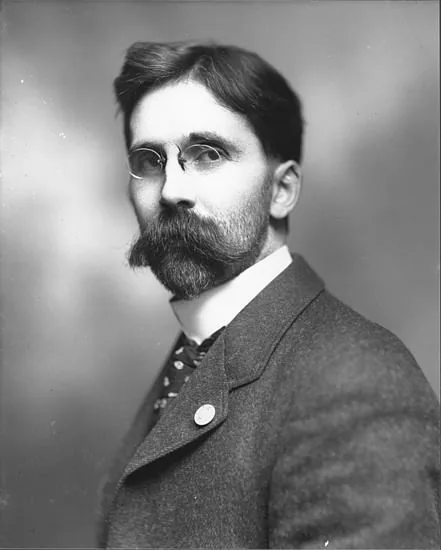
If you are a Hampton native of a certain age, you are probably familiar with the Cheynes—father and son—who provided photography services to the citizens of Hampton from 1894 through the 1960s.
Born in Canada, Christopher Cheyne moved to Hampton in 1894. Cheyne married a local school teacher—Miss Emily Louise Couch—at St. John’s. The Cheyne family included three children: two daughters, Emily and Marion, and a son, William Ethelbert “Happy” Cheyne, who took over the family business in 1928.
In their heyday, the Cheynes operated their studio on the second floor of the building occupied today by Hampton Stationary on Queen Street. On the ground floor, the Cheynes sold appliances—like radios—and photography supplies. Customers accessed the photography studio by walking up the magnificent stairway that is a hallmark of the building to this day.
How many Hamptonians walked up those stairs to have their portraits made? A big bunch. Happy Cheyne observed “that the job of a portrait photographer is to paint with light, to render the most complimentary result, but without losing the individual personality of the subject.” From the portraits I have seen, Happy lived up to his credo.
However, portraits were just a fraction of the Cheyne photography portfolio. It seems like if it happened in Hampton, the Cheynes took a photograph of it: J. S. Darling’s pile of oyster shells, automobile accidents, hurricane damage, fraternal organizations, athletic teams and clubs at Hampton High School and Phenix High School, political and social leaders, churches, and on and on. Subjects ran the gamut from the inventory of Spratley-Rogers Ford in 1931—the Spratley and Rogers families were parishioners at St. John’s—to the king and queen of the Hampton Seafood Festival in 1950—Andy Roberts [Pugh] and Mitzi Gaynor.
The Cheynes have come and gone, but their photographic art lives on. Approximately 1400 digitized images from the Cheyne collection are available to view on the websites of the Hampton History Museum and the Library of Virginia. Once, as I perused the Cheyne collection, I found an image of the Hampton Volunteer Fire Department from about 1910 and was surprised to see my grandfather sitting in the front row in his handsome uniform. Another time, I discovered the wedding portrait of a friend’s mother-in-law. The Cheyne photographic collection is somewhat like Forrest Gump’s box of chocolates: As you dive into it, “you never know what you’re going to get.”
Originally published in St. John’s Newsletter, October 2021.